← BACK TO JOURNAL
FIELD NOTES
12 JUN 2026
On proportion, light, and the London row house.
A short editorial note on reading architecture as a lived surface — bay rhythm, cornice line, and morning light.
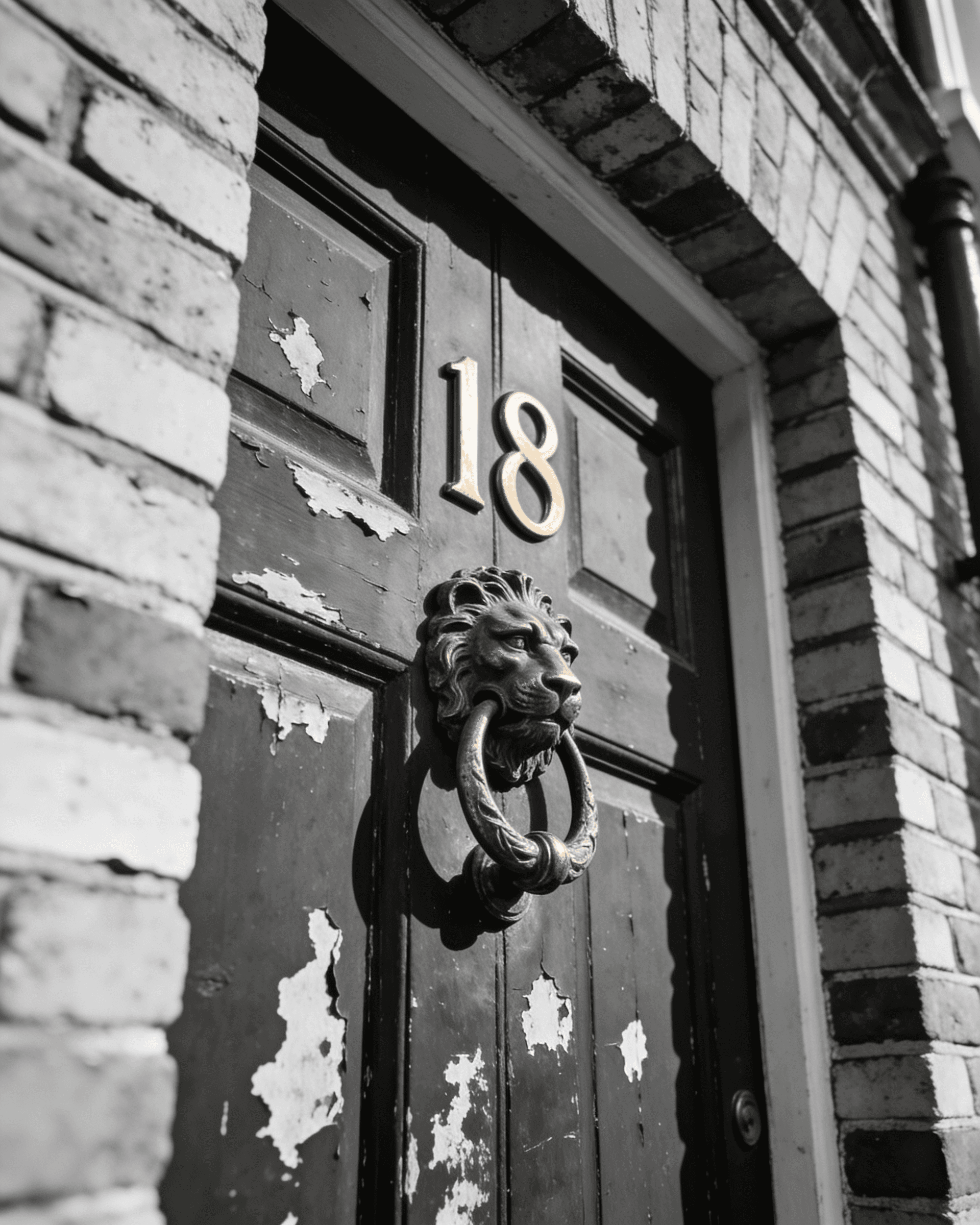
The row house asks for patience. Its rhythm is vertical — bays, cornice, chimney — but the pleasure is horizontal: how light moves across brick across a day, how rooms stack their moods floor by floor.
Proportion is not ornament here. It is the argument the street makes about permanence. When we advise on these houses, we start with that ledger: what the façade promises, what the plan delivers, what the light forgives.
Reading the plan, not the frontage
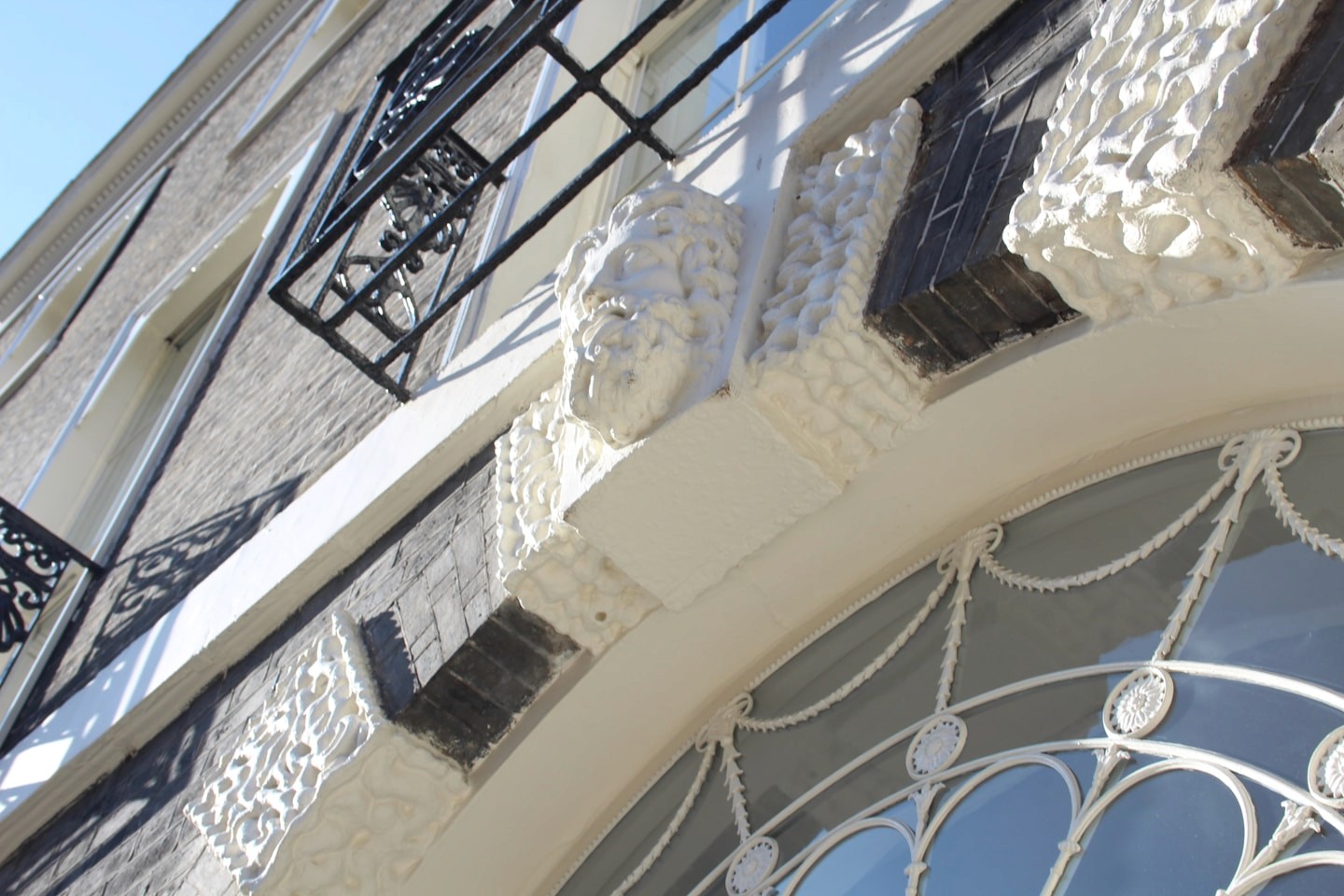
Inside, the useful clues are often unfashionable: where the stair turns, whether the first-floor reception has room to breathe, and how the rear elevation receives the garden. A handsome frontage can disguise a compromised plan; a modest one can hold rooms with an ease that only becomes apparent once you stop measuring and start moving through them.
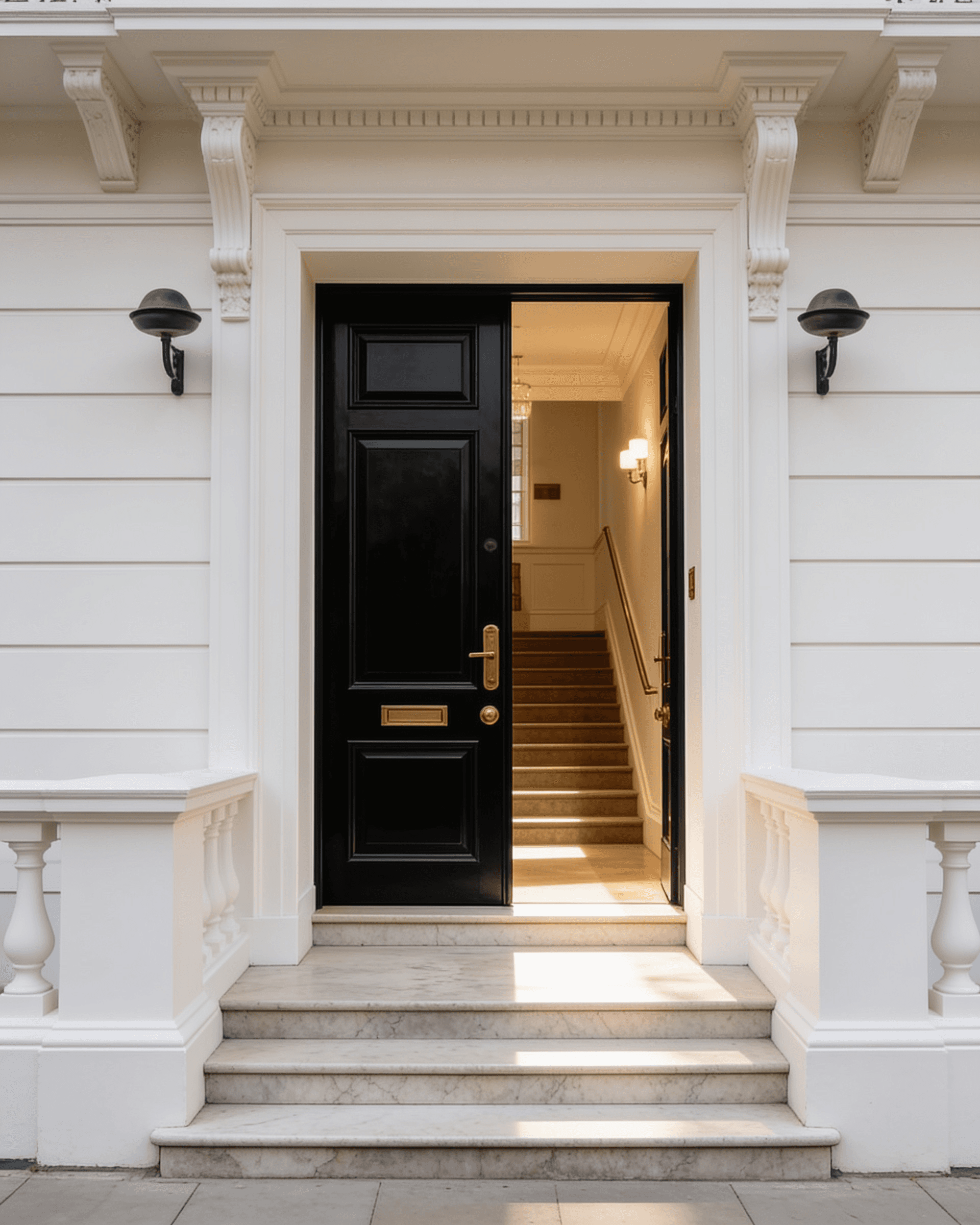
A good viewing takes its time at the thresholds. Stand in the hall. Look back from the garden. Notice whether the upper floors borrow light from the stair. These are small tests, but they reveal whether proportion is working as lived experience rather than as an estate-agent adjective.
( MORE NOTES )